Fenugreek: Leaves and Seeds as Dual Spice
Two Ingredients from One Plant
Fenugreek (Trigonella foenum-graecum) is unique among spices: both its seeds and dried leaves are used extensively in cooking, each offering completely different flavor profiles.
Fenugreek Seeds
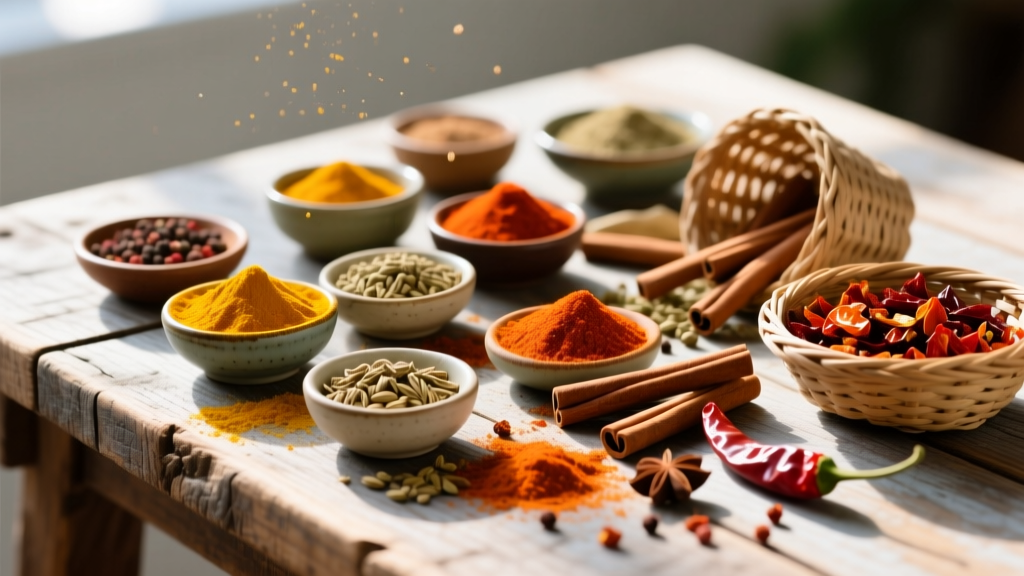
Small, hard, amber-brown seeds with a bitter, maple-like flavor. They're a key component in curry powders, pickling blends, and spice mixes. Toasting mellows the bitterness and brings out a nutty, caramel quality. Use sparingly — too much fenugreek seed makes dishes bitter.
Dried Fenugreek Leaves (Kasuri Methi)
The dried leaves have a completely different character: sweet, hay-like, with a distinctive aroma that's instantly recognizable in butter chicken and other North Indian dishes. Crush the dried leaves between your palms before adding to release their fragrance.
Cooking with Both
In many Indian recipes, both forms appear: seeds in the initial tempering (tadka) and dried leaves crumbled in at the end as a finishing herb. This double layering creates depth that neither form achieves alone.
Common Applications
- Seeds: curry powders, pickles, sambar, dal
- Leaves: butter chicken, naan bread, parathas, potato dishes
- Both: biryani, korma, tikka masala
Storage Tip
Dried leaves lose aroma faster than seeds. Buy kasuri methi in small quantities and store in the freezer to preserve fragrance for up to a year.
More Articles
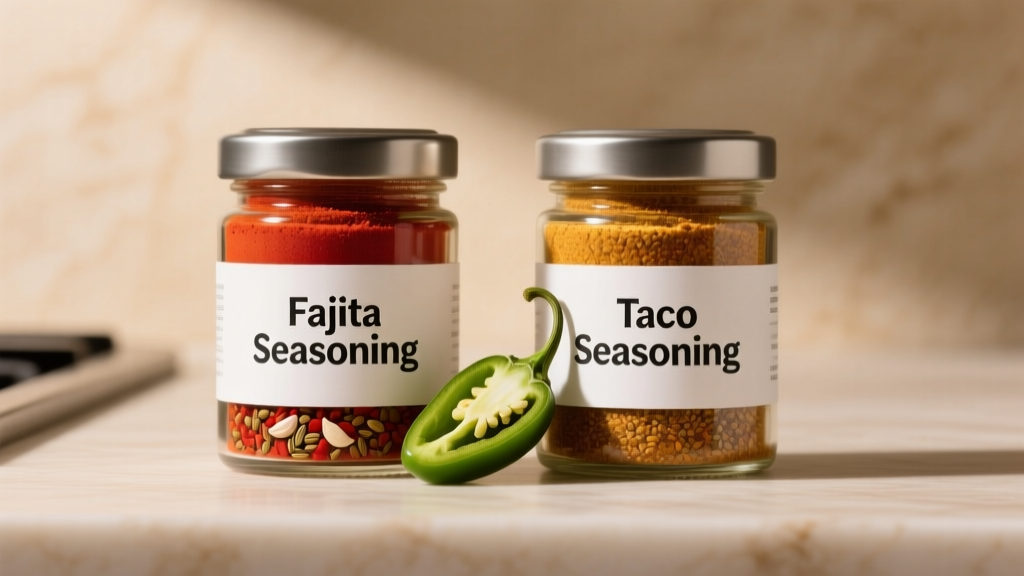 Fajita Seasoning vs Taco Seasoning: Key Differences
 Mustard Tree: Spicy Secrets & Surprising Facts (2026)
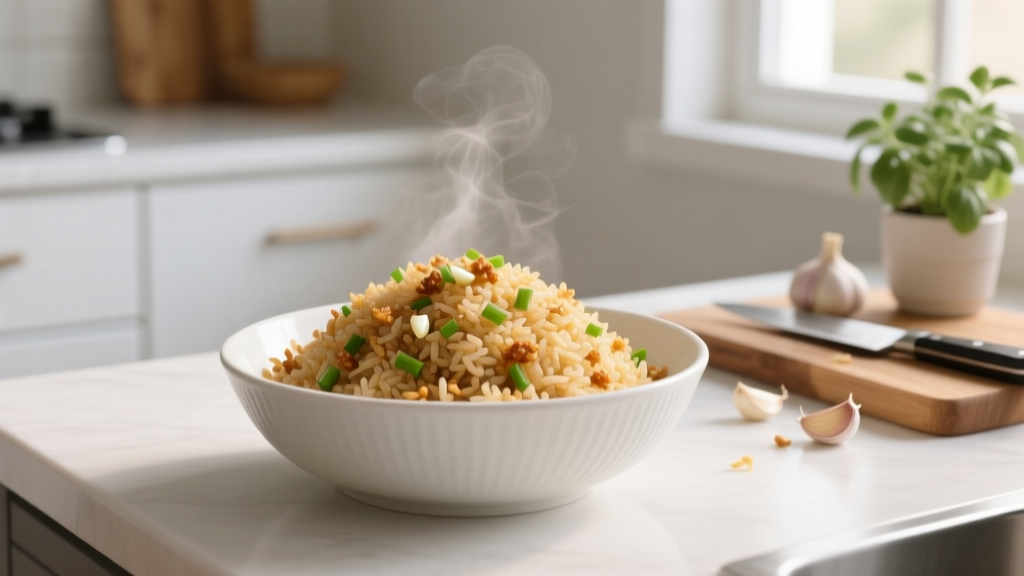 Simple Garlic Fried Rice Recipe: Perfect Every Time
Five Spice Powder Decoded
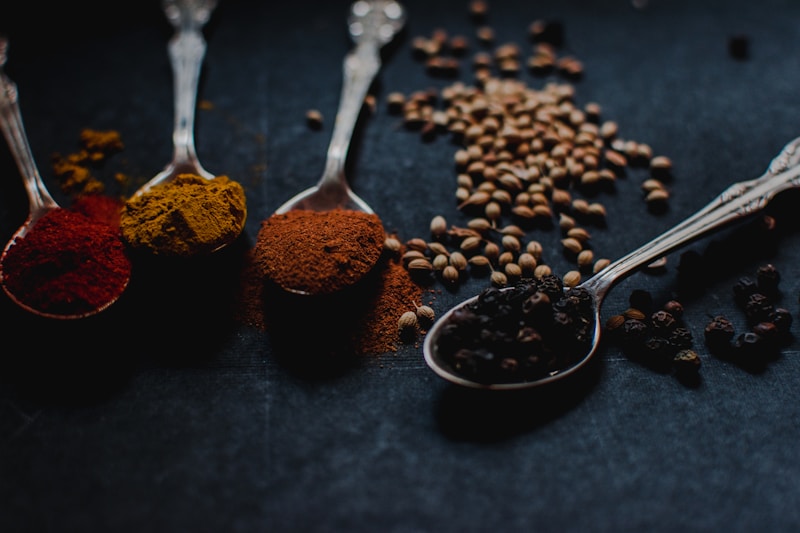 Za'atar Spice Blend: Recipe, Uses, and Cultural Significance
 Jamie Oliver's Cherry Tomato Pasta Sauce: Fresh Recipe Guide
 Plant Garlic Correctly: Fall Planting Guide for Big Bulbs
 Gordon Ramsay's Authentic French Onion Soup Recipe
 Yellow, Brown, Black Mustard Seeds Compared
 Quatre Épices: French Four-Spice