
Cumin vs Coriander: Key Differences (2026)
Flavor Profiles
Cumin delivers a warm, earthy taste with a slightly bitter undertone. Coriander seeds offer a citrusy, nutty flavor that brightens dishes. Understanding these differences helps you choose the right spice for each recipe.
Culinary Uses
Cumin dominates in curries, chili, and Middle Eastern dishes. Coriander appears in pickling blends, baked goods, and Southeast Asian recipes. Both spices complement each other in garam masala and ras el hanout.
When to Use Each
- Cumin: hearty stews, grilled meats, bean dishes
- Coriander: salads, fish, vegetable preparations
- Both together: curry bases, spice rubs
Storage and Freshness
Whole cumin seeds last up to 4 years; ground cumin loses potency after 6 months. Whole coriander keeps 2-3 years; ground coriander is best within a year. Always buy whole spices and grind fresh for maximum flavor.
More Articles
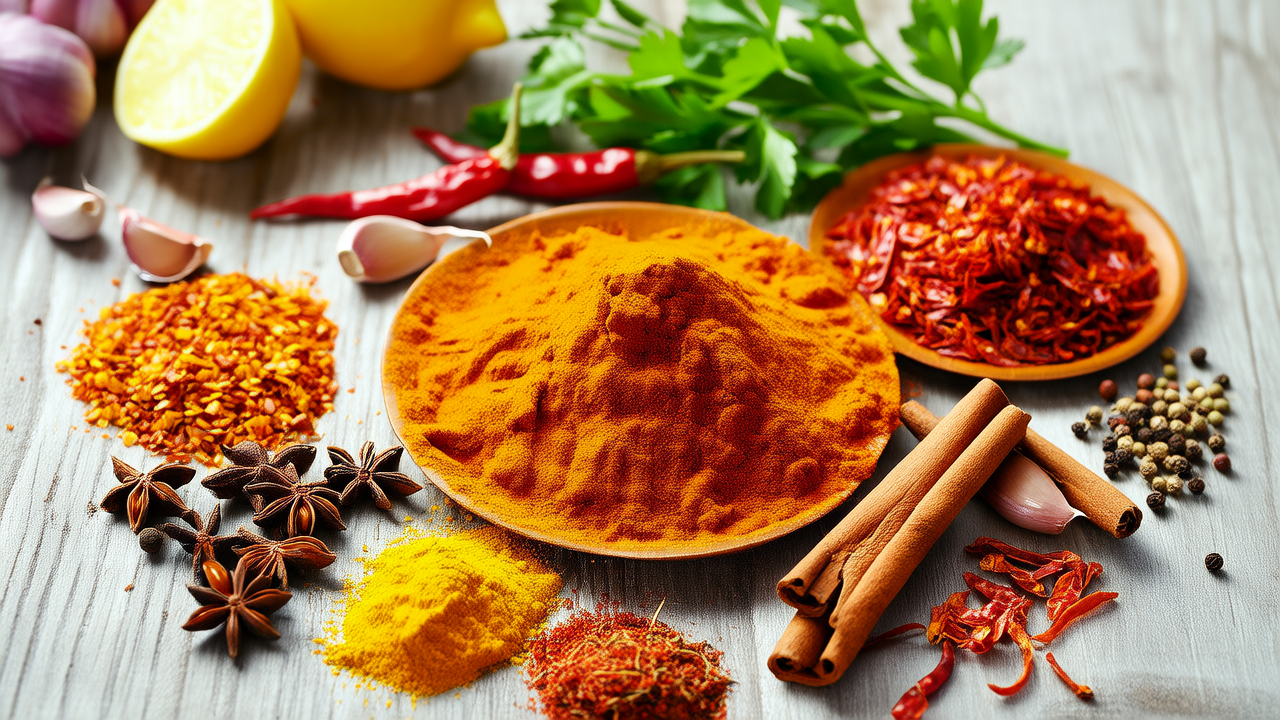 Vanilla Bean Grades: Which to Buy and When
 Best Spices for Chicken: Flavor Science & Pairings
 Pull Apart Cheesy Garlic Bread Recipe: Simple Sharing Style
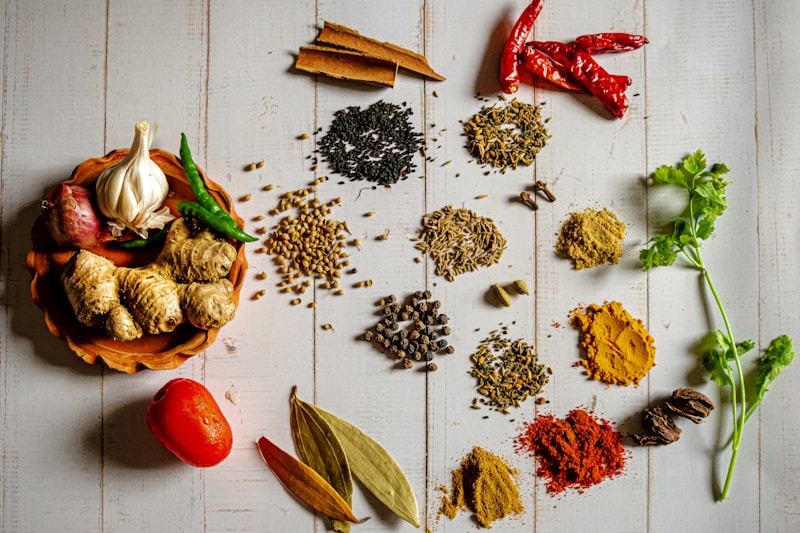 Pink Peppercorns: Not Real Pepper
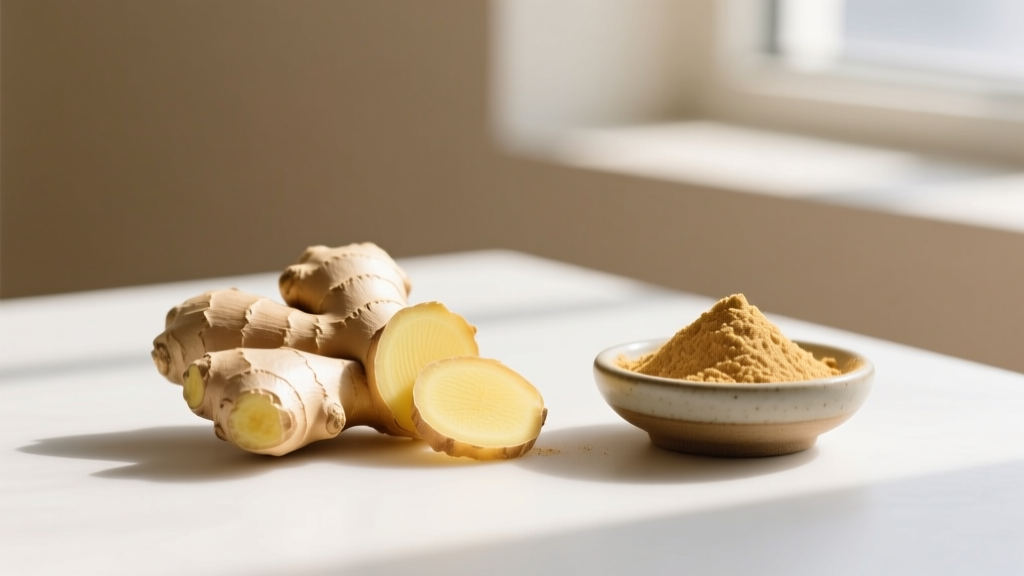 Fresh Ginger to Ground Ginger Conversion: Ratios & Tips
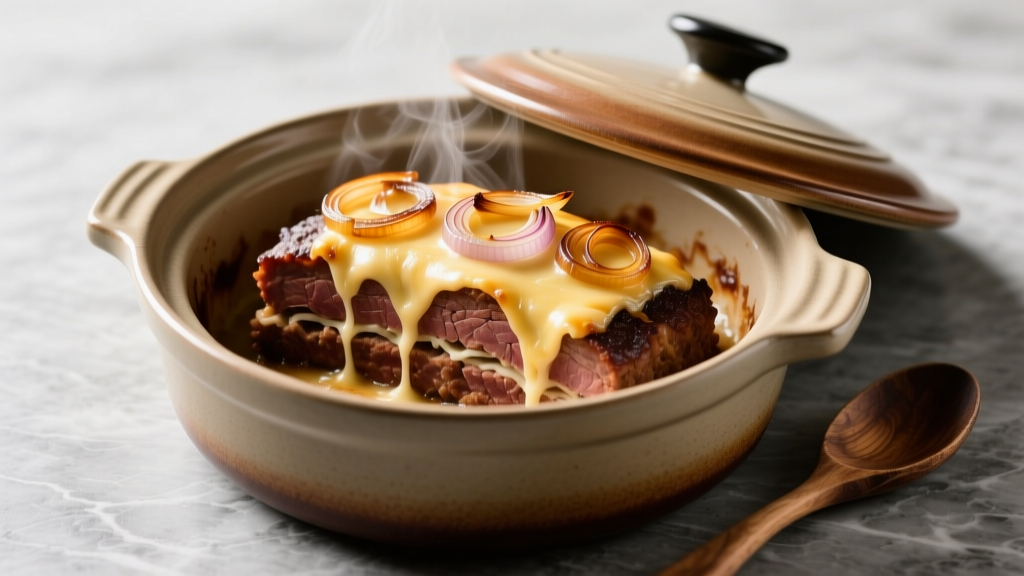 Crockpot French Onion Meatloaf with Swiss Cheese
 Perfect Garlic Bread: Simple Recipe & Pro Tips
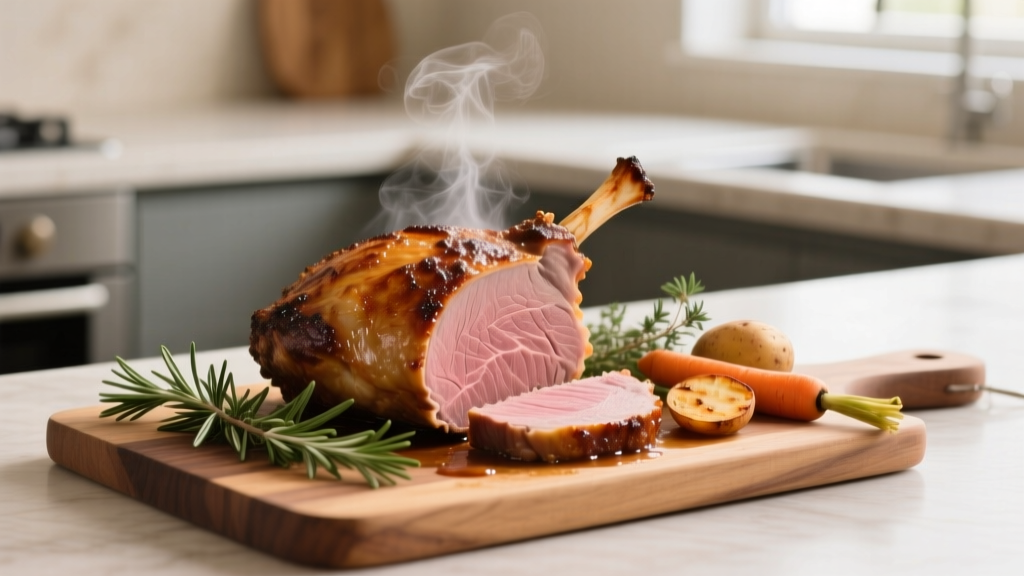 How to Cook Lamb Roast: Juicy Results Every Time
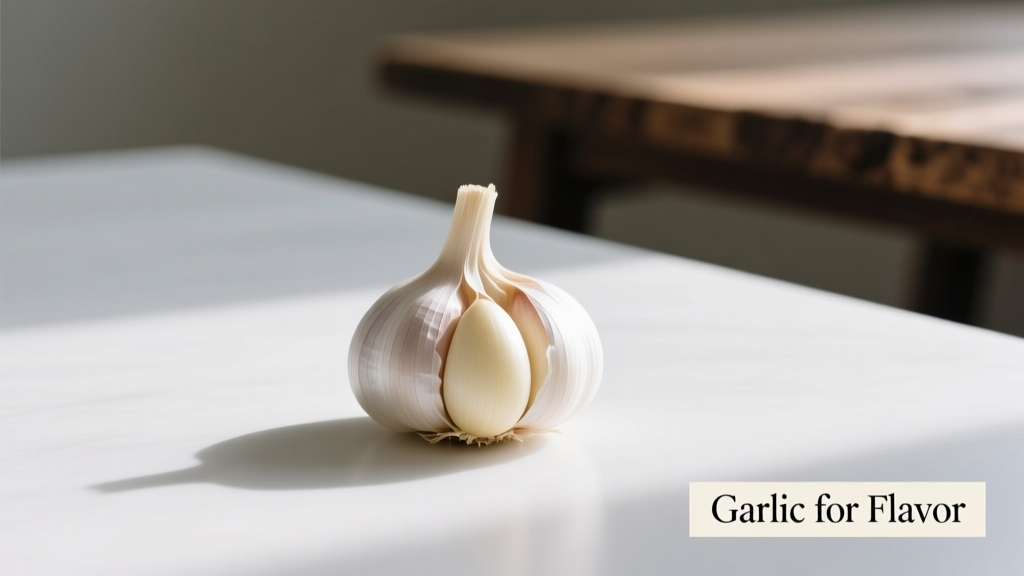 Garlic For Flavor: Unlocking Depth, Complexity, and Culinary Precision
 Star Anise: How to Cook With This Licorice Spice