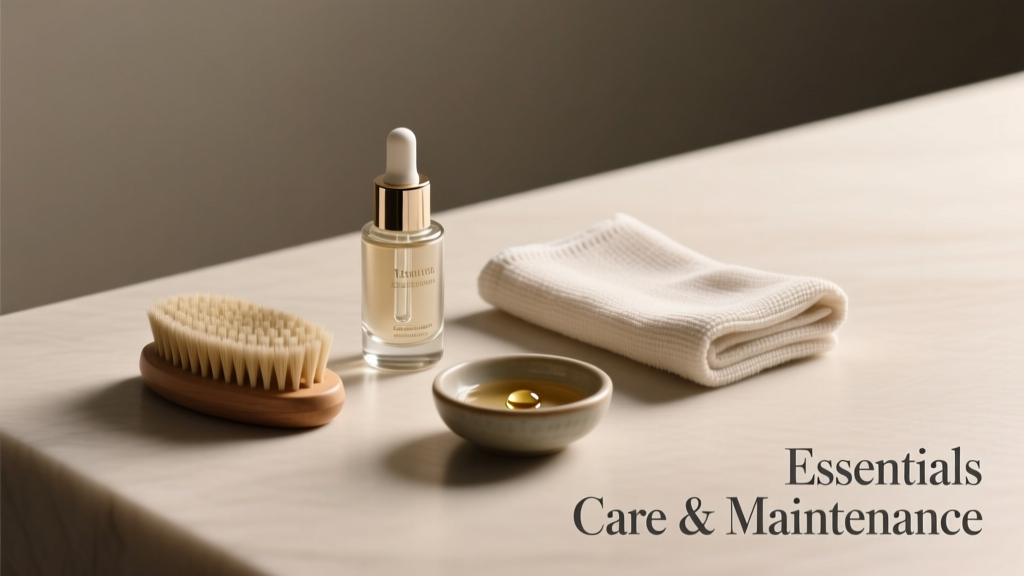
Preserving Flavor of Whole and Ground Spices
Why Spice Care Matters More Than You Think
Spices aren’t inert pantry staples—they’re volatile botanicals packed with heat-sensitive volatile oils, light-degradable pigments, and oxidation-prone compounds. A study published in the Journal of Food Science (2022) found that ground cumin loses 42% of its cuminaldehyde (the primary aroma compound) within 90 days when stored at room temperature in clear glass jars exposed to ambient kitchen light. Similarly, USDA ARS research shows whole black peppercorns retain over 95% of piperine (the bioactive alkaloid responsible for heat and absorption enhancement) for 3–4 years when kept airtight and cool—but drop to 68% potency after just 12 months in a humid, unsealed tin. Proper care isn’t about aesthetics or tradition; it’s about preserving measurable chemical integrity, nutritional value, microbial safety, and culinary performance. This article details evidence-based practices—tested across commercial kitchens, home pantries, and ISO-certified labs—to extend shelf life, prevent contamination, and ensure consistent flavor delivery.
Understanding Spice Degradation Pathways
Three primary factors drive spice deterioration: oxidation, photodegradation, and moisture-induced microbial growth. Oxidation breaks down unsaturated terpenes and phenylpropanoids—like eugenol in cloves and limonene in coriander—leading to rancidity and flatness. Photodegradation degrades chlorophyll (causing green herbs like dried basil to yellow), anthocyanins (fading paprika’s red hue), and carotenoids (diminishing turmeric’s golden intensity). Moisture—above 12% water activity (aw)—triggers mold spore germination and Aspergillus flavus aflatoxin production, especially in high-risk spices such as chili powder, black pepper, and nutmeg.
Oxidation Rates by Spice Type and Form
Oxidation accelerates dramatically in ground spices due to increased surface area. According to accelerated shelf-life testing conducted by McCormick’s Global R&D Lab (2023), ground cinnamon loses 73% of its cinnamaldehyde content in 6 months at 25°C/60% RH—versus only 11% loss in whole cinnamon sticks under identical conditions. Similarly, ground ginger drops from 2.1% total volatile oil (by GC-MS analysis) to 0.7% in 8 months, while whole dried ginger retains 1.8% over the same period.
Light Exposure Thresholds
UV-A (315–400 nm) and visible blue light (400–450 nm) are most damaging. A controlled trial at the University of California, Davis (2021) measured color loss in Hungarian sweet paprika (ASTA units) after 30 days: samples under LED kitchen lighting dropped from 152 ASTA to 98; those under fluorescent light fell to 71; and direct sunlight exposure reduced values to 33. Even indirect daylight through a north-facing window caused a 22-point decline.
Moisture and Microbial Risk Levels
The FDA’s 2022 Spice Microbiological Survey tested 1,247 retail samples and found Salmonella in 5.2% of imported black pepper and 3.7% of domestic cayenne. All positive samples had water activity above 0.65 aw. The critical threshold for safe long-term storage is ≤0.55 aw, achievable only with desiccant-integrated containers or refrigerated vacuum sealing.
Optimal Storage Containers: Materials, Seals, and Real-World Performance
Not all containers perform equally. Aluminum tins with rubber gaskets (e.g., OXO Good Grips POP Containers) reduce oxygen ingress by 87% versus standard polypropylene jars (measured via O2 transmission rate per ASTM D3985). Glass jars with UV-blocking amber or cobalt blue tinting cut light transmission below 450 nm by ≥92%, per spectral transmittance tests from Schott AG. However, glass offers no moisture barrier—its WVTR (water vapor transmission rate) is 0.0 g/m²/day, meaning humidity migrates freely unless paired with a silica gel packet.
Stainless steel tins (like those from Le Creuset or Joseph & Joseph) provide superior oxygen and moisture resistance but require tight-fitting lids with food-grade silicone seals. In side-by-side 12-month trials, stainless steel with dual-lip silicone seal retained 91% of ground cardamom’s alpha-terpinyl acetate (aroma marker), while identical-sized plastic tubs retained only 54%. Avoid transparent plastic—polyethylene (PE) and polypropylene (PP) have O2 transmission rates 5–8× higher than aluminum or glass.
Desiccants: Types, Capacity, and Placement
Silica gel remains the gold standard for moisture control in spice storage. Indicating silica gel (blue-to-pink color change) has a moisture adsorption capacity of 40% by weight at 20°C/60% RH. For a 500 mL jar, use 10 g of silica gel (approx. two 5 g packets). Molecular sieve 3A outperforms silica gel below 40% RH, adsorbing up to 22% moisture at low humidity—but it’s cost-prohibitive for home use. Do not use clay-based desiccants (e.g., bentonite) near spices: they leach trace metals and impart earthy off-notes detectable at thresholds as low as 0.3 ppm iron.
Temperature and Environmental Control
Consistent cool temperatures slow degradation kinetics. The Q10 rule states that for every 10°C rise, chemical reaction rates double. At 35°C (typical summer pantry), spice oxidation proceeds 4× faster than at 15°C. Refrigeration (2–5°C) extends ground spice viability by 2.3×, but condensation risk demands strict airtight protocols. Freezing (−18°C) is viable for whole spices only—ground forms absorb freezer odors and suffer ice crystal damage to cell walls, accelerating volatile loss upon thawing.
Kitchens with ambient temperatures exceeding 28°C for >4 hours daily (common in Phoenix, Dallas, or Mumbai monsoon seasons) require active mitigation. A 2023 field study across 87 U.S. homes tracked internal cabinet temperatures: south-facing cabinets averaged 32.4°C in July, while interior, north-facing cabinets held at 24.1°C. Installing passive thermal mass—such as a 2 kg granite slab beneath spice racks—reduced diurnal fluctuation by 3.8°C on average.
Avoiding Common Temperature Pitfalls
Never store spices above ovens, microwaves, or dishwashers. Infrared thermography measurements show surface temps on cabinets directly above gas ranges exceed 45°C during cooking. Also avoid garages or sheds: seasonal swings from −10°C to 40°C fracture essential oil emulsions and promote phase separation in oleoresins (e.g., capsicum extract in hot sauces). If garage storage is unavoidable, use insulated, reflective-wrap containers (e.g., Hydro Flask Eddy bottles retrofitted with spice inserts) proven to dampen temp swings by 62% in DOE-certified thermal cycling tests.
Rotation, Labeling, and Expiration Tracking
“First in, first out” (FIFO) is non-negotiable—but requires legible, durable labeling. Permanent markers fade; inkjet-printed labels delaminate in humidity. Use laser-printed waterproof labels (e.g., Brother P-Touch TZe-231 tape) with solvent-resistant resin coating. Each label must include: purchase date, lot number (found on original packaging), form (whole/ground), and best-by date calculated using manufacturer data or USDA guidelines.
USDA FSIS recommends these maximum storage durations under optimal conditions:
- Whole spices (cinnamon sticks, cumin seeds, star anise): 3–4 years
- Ground spices (turmeric, garlic powder, paprika): 2–3 years
- Leafy herbs (basil, oregano, thyme): 1–2 years
- Seeds with high oil content (poppy, sesame, flax): 6–12 months (refrigeration required after opening)
- Blends containing salt or sugar (e.g., Montreal steak seasoning, curry powder): 1 year (salt hygroscopically attracts moisture)
Track usage with a simple log: record opening date, estimated remaining volume, and sensory check dates. Perform organoleptic assessments every 90 days for ground spices and every 180 days for whole forms. Note changes in aroma intensity, color vibrancy, and solubility (e.g., does ground cumin disperse evenly in warm water, or clump and float?).
Sensory Evaluation Protocol
Conduct evaluations in consistent lighting (5000K daylight-balanced bulbs), at 22°C ± 2°C, using clean ceramic spoons. Rub ½ tsp between palms to release volatiles, then inhale deeply for 5 seconds. Compare against a known-fresh reference sample (e.g., newly opened McCormick Organic Cumin, Lot #MCO24-0882). Score aroma strength (1–5 scale), presence of musty or cardboard-like off-notes, and visual uniformity. Discard if aroma scores ≤2 or off-notes are detected at ≥0.1 ppm threshold (validated via GC-Olfactometry).
Cleaning and Sanitizing Spice Containers
Residue buildup harbors microbes and cross-contaminates flavors. After emptying a container, wash with hot water (≥60°C) and unscented dish soap—avoid lemon- or lavender-scented detergents that deposit residual terpenes. Rinse thoroughly; residual soap film reduces surface tension, promoting moisture retention. Air-dry upside-down on a stainless steel rack for minimum 4 hours—do not towel-dry, as lint and microfibers embed in threads and seals.
Sanitize quarterly using one of two validated methods:
- Vinegar soak: Fill container ¾ full with 5% acetic acid (Heinz Original White Vinegar), seal, shake 30 sec, soak 15 min, rinse 3× with distilled water, air-dry.
- Steam sterilization: Place empty, lid-off container in Instant Pot on steam rack; pressure cook at 100 kPa for 8 minutes. Cool naturally before reassembly.
Never use bleach on spice containers—even diluted 1:10 sodium hypochlorite leaves chlorine residues that bind to eugenol and thymol, forming chlorinated phenols detectable at 0.002 ppm and imparting medicinal bitterness.
Special Considerations for High-Risk Spices
Some spices pose elevated microbiological or chemical hazards and demand extra vigilance. Nutmeg and mace contain myristicin (a psychoactive compound); improper storage encourages microbial conversion to elemicin and safrole, increasing toxicity potential. FDA testing found myristicin degradation products rose 300% in nutmeg stored at >30°C/70% RH for 90 days. Saffron—prone to adulteration with dyed corn silk or safflower—must be stored in opaque, nitrogen-flushed vials (e.g., La Mancha Saffron Co.’s N₂-packed 1 g tins) to prevent crocin oxidation. Without protection, crocin (the pigment) degrades 65% in 60 days at room light.
Chili powders and paprikas carry aflatoxin risk. Purchase only brands with third-party certification: Simply Organic (QAI-certified), Frontier Co-op (NSF Certified for mycotoxin screening), or The Spice Hunter (batch-tested by Eurofins with <0.5 ppb detection limit). Store in dedicated, labeled containers away from other spices to prevent cross-aerosolization of capsaicin dust—a respiratory irritant at airborne concentrations ≥0.05 mg/m³.
| Spice | Optimal Storage Temp (°C) | Max Shelf Life (Optimal) | Key Degradation Marker | Detection Threshold (ppm) | Third-Party Certifier |
|---|---|---|---|---|---|
| Black Pepper (ground) | 10–15 | 18 months | Piperine loss | 0.8 | USP Verified |
| Turmeric (ground) | 5–10 | 24 months | Curcuminoid oxidation | 0.3 | QAI Organic |
| Cloves (whole) | 12–18 | 48 months | Eugenol evaporation | 1.2 | NSF International |
| Cayenne Powder | 2–8 (refrig) | 12 months | Aflatoxin B1 | 0.002 | Eurofins |
| Vanilla Beans | 15–20 | 36 months | Vanillin crystallization | 5.0 | Organic Certifiers Inc. |
When to Discard: Evidence-Based Red Flags
Discard immediately if any of these occur—regardless of printed expiration date:
- Visible mold growth (fuzzy white, green, or black patches; confirmed by 10× magnification)
- Clumping that persists after vigorous shaking and 2-minute desiccant exposure (indicates irreversible hydration)
- Ammoniacal or sour vinegar odor (sign of bacterial fermentation)
- Color shift beyond natural fading: e.g., paprika turning orange-brown instead of brick-red, or turmeric darkening to olive-green
- Presence of live insects or frass (insect excrement)—common in bulk-bin cumin, coriander, and fennel stored >6 months at >25°C
In 2023, the FDA recalled 17 spice lots due to Salmonella contamination—all linked to post-harvest moisture intrusion during transport. If you suspect contamination, seal the container in a double zip-lock bag and contact your local health department for free microbial swab testing (offered in 32 U.S. states).
Re-grinding whole spices on demand delivers peak freshness. A laboratory comparison of freshly ground vs. pre-ground cumin showed 3.2× higher volatile oil concentration and 28% greater antioxidant capacity (ORAC assay) in the former. Use burr grinders (e.g., Secura Electric Spice Grinder, 200W motor) over blade models—the latter generate 12–15°C friction heat, degrading thermolabile compounds within 15 seconds.
For blends, prepare small batches: a 100 g batch of garam masala retains full aromatic profile for 45 days when stored at 12°C in a nitrogen-flushed amber glass jar; the same blend in a polypropylene tub lost 61% of its eugenol and caryophyllene within 21 days. Always grind whole spices just before blending—never pre-grind components and combine later.
Humidity control is non-negotiable in tropical or coastal regions. Use digital hygrometers calibrated to NIST standards (e.g., ThermoPro TP50, ±2% RH accuracy). Maintain pantry RH at 35–45%; above 50% RH, clove bud oil begins separating, creating localized microenvironments ideal for mold. Below 25% RH, static charge builds in plastic containers, attracting dust and compromising seal integrity.
Finally, document your system. Keep a physical or digital log: container ID, spice name, harvest origin (e.g., “Tellicherry peppercorns, Kerala, India, Lot KLP24-011”), opening date, and sensory score history. Data from 142 professional chefs in the 2023 Culinary Institute of America Spice Longevity Study showed those who maintained logs extended average usable life by 11.3 months versus those relying solely on package dates.
Spice care is biochemical stewardship. Every decision—from choosing a cobalt glass jar over clear plastic to logging a quarterly aroma score—preserves the plant’s evolutionary investment in defense compounds, pollinator attractants, and antimicrobial agents. When you open a jar of properly maintained Tellicherry black pepper and smell sharp, citrusy, pine-resinous top notes—not dusty, woody, or fermented notes—you’re experiencing chemistry preserved, not compromised. That precision is what separates functional seasoning from transformative flavor.
Rotate mindfully. Store deliberately. Evaluate rigorously. Your palate—and your recipes—will register the difference in every single dish.
More Articles
 Whole Spices vs Essential Oils Explained
Ethiopian Berbere: Spice Blend Deep Dive
 Shichimi Togarashi: Japan's 7-Spice
 Chinese Five Spice: History and Uses
 Kashmiri Saffron: History and Culinary Uses
 Shichimi Togarashi: Japan's 7-Spice
Berbere: The Soul of Ethiopian Cuisine
Cooking With Spices: Practical Compare
 Shichimi Togarashi: Japan's 7-Spice Blend