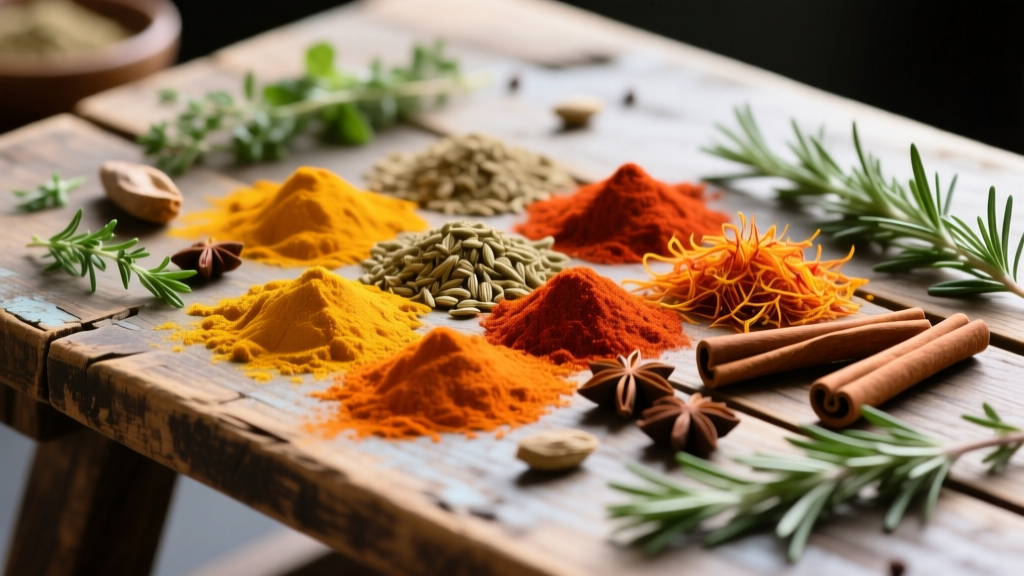
Ceylon vs Cassia Cinnamon: Safety Guide
Two Types of Cinnamon
Most cinnamon sold in supermarkets is actually cassia, not true Ceylon cinnamon. Understanding the difference matters for both flavor and health.
Ceylon Cinnamon (True Cinnamon)
Cinnamomum verum has delicate, complex sweetness with citrus undertones. The bark is thin, fragile, and rolls into tight quills. It contains negligible coumarin.
Cassia Cinnamon
Cinnamomum cassia is bolder, spicier, and more pungent. The bark is thick and hard. It contains significant coumarin, which can cause liver damage in high doses.
The Coumarin Concern
Cassia contains 1-4% coumarin by weight. The European Food Safety Authority recommends no more than 0.1mg per kg body weight daily. For a 70kg adult, that is roughly 1 teaspoon of cassia per day.
When Ceylon Is Worth the Premium
- Daily consumption (oatmeal, smoothies, coffee)
- Supplements and health tonics
- Delicate baking where subtle flavor matters
- Children's recipes
When Cassia Works Fine
- Occasional baking and holiday recipes
- Savory dishes with small amounts
- Mulled drinks where bold flavor is desired
More Articles
 Spice Substitutions: A Practical Guide
 Spice Strength and Shelf Life Guide
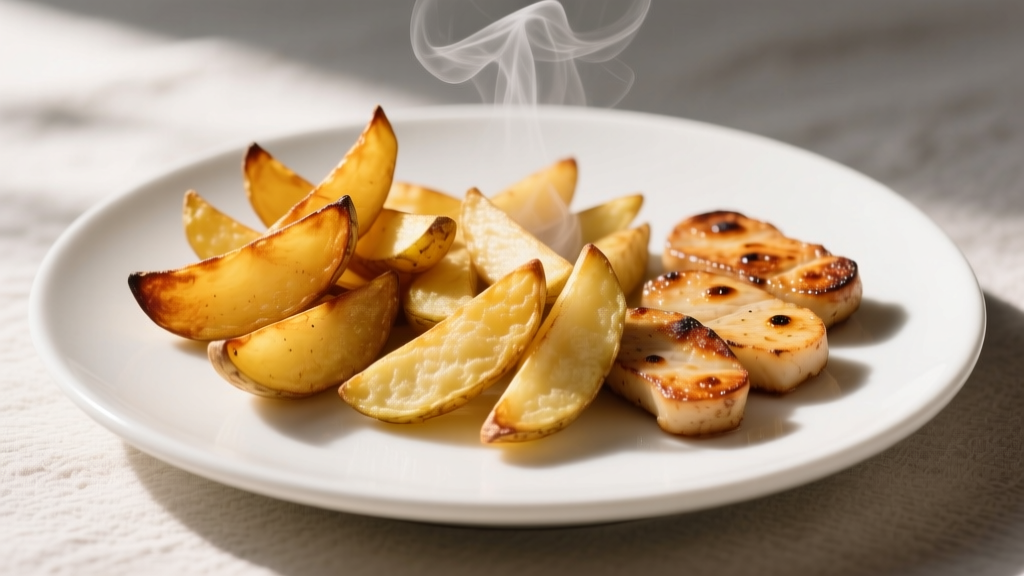 Potato Wedges Recipes: Oven, Air Fryer & Pan Methods
Smart Spice Storage and Usage Tips
 Fennel Seeds for Digestion: A Practical Guide
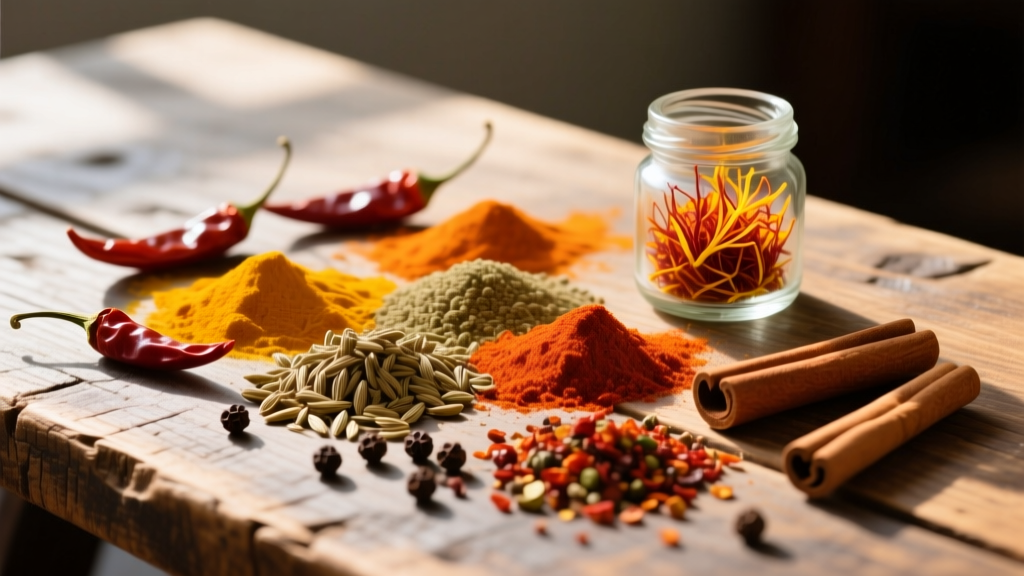 Coriander vs Cilantro: Same Plant, Two Spices
 Allspice vs Pumpkin Pie Spice: What's the Difference?
 Cinnamon Roll Calories: Exact Counts by Size & Type
 Yes, Dijon Mustard Can Go Bad: Shelf Life & Safety Guide
 Annatto Seeds: Natural Color and Mild Flavor