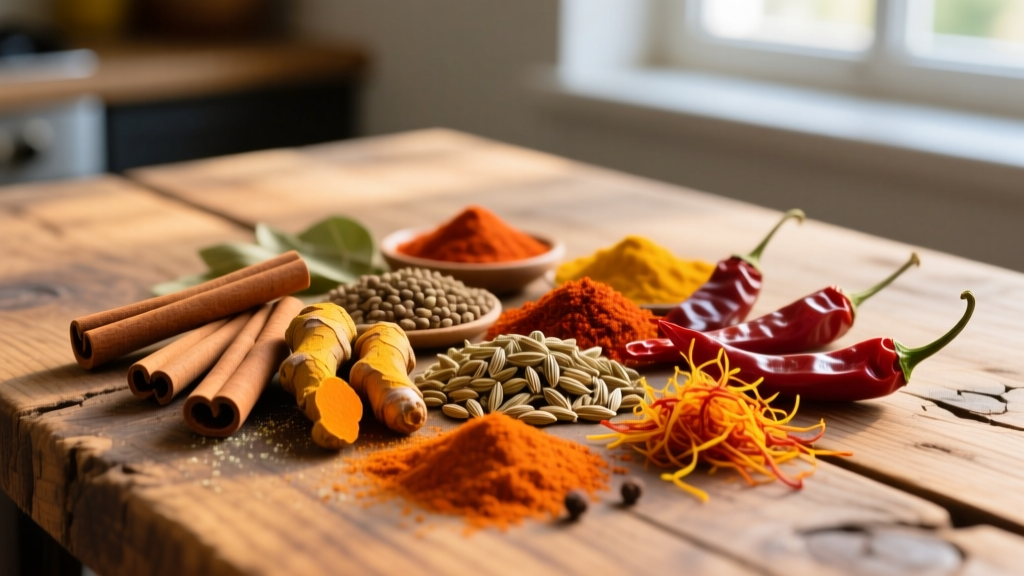
Saffron: The Silk Road's Most Valuable Spice
The World's Most Expensive Spice
Saffron — dried stigmas of the Crocus sativus flower — has been the world's costliest spice for millennia. Each flower produces only three stigmas, hand-picked at dawn during a brief autumn bloom.
Silk Road Journey
Originating in Persia (modern Iran), saffron traveled westward to Greece and Rome, eastward to China and Japan, and south to India. It was used as currency, medicine, dye, perfume, and cooking spice simultaneously.
Historical Uses
- Cleopatra bathed in saffron-infused mare's milk
- Roman emperors scattered saffron on streets for triumphal entries
- Medieval monks used it to illuminate manuscripts
- Mughal emperors planted entire gardens of saffron crocus
Modern Production
Iran produces 90% of global saffron. Spain is the second-largest producer. Kashmiri saffron, though scarce, is considered the finest due to its deep red color and high crocin content.
Spotting Authentic Saffron
Real saffron threads are trumpet-shaped (wider at one end), release color slowly in warm water, and smell sweetly hay-like. Fakes dissolve instantly and smell metallic.
More Articles
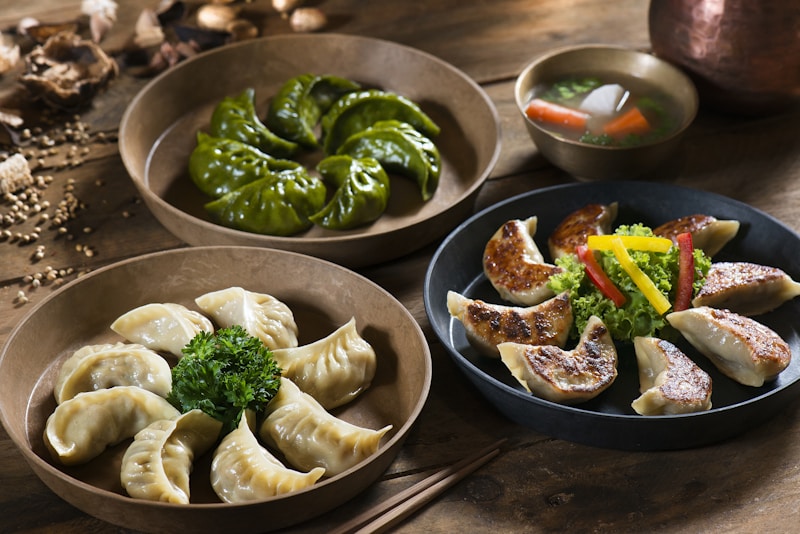 Japanese Seven Spice (Shichimi Togarashi): What Is in It and How to Use It
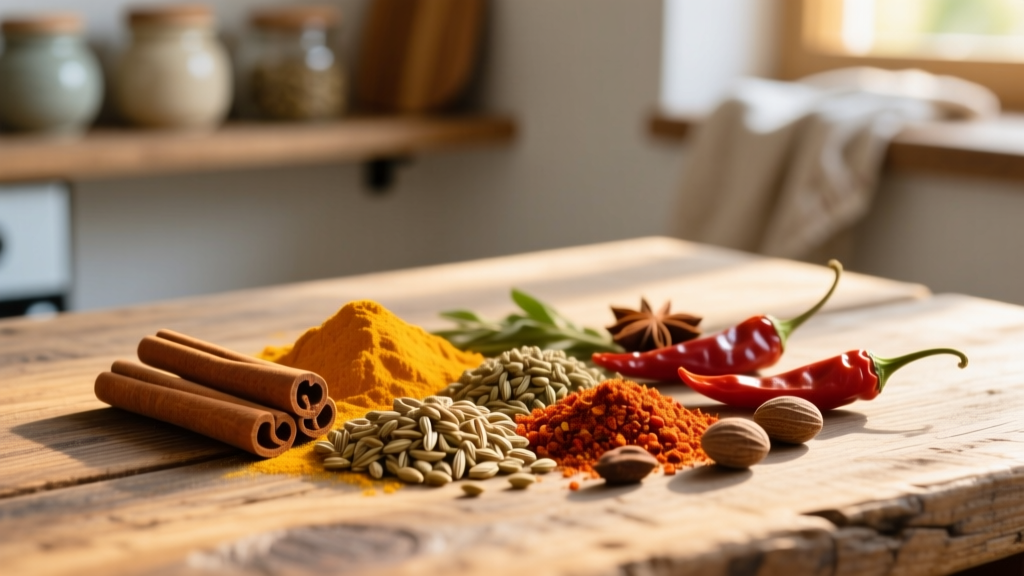 Shichimi Togarashi: Japan's 7-Spice
Mexican Mole: The Spices Behind the Sauce
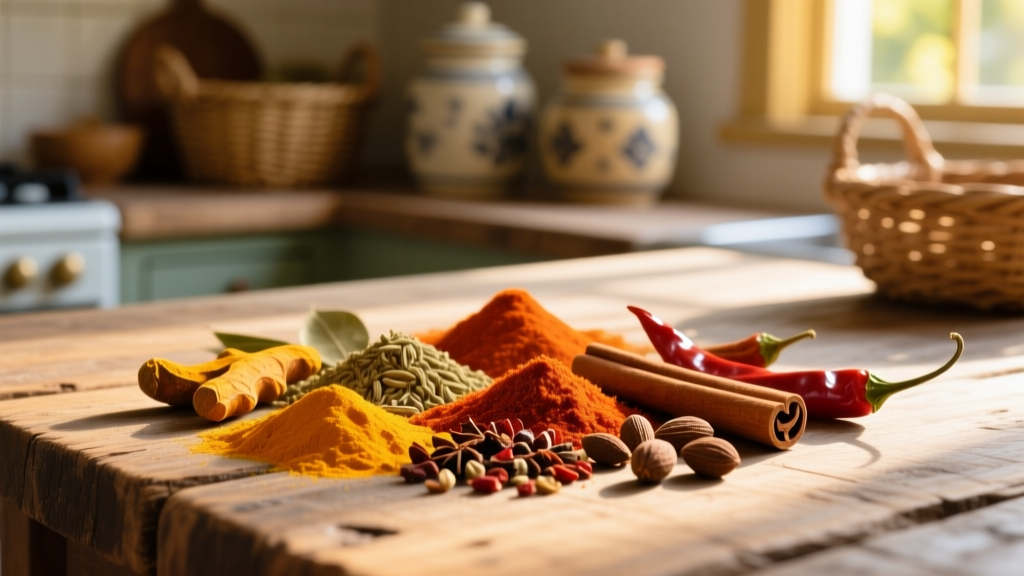 Shichimi Togarashi: Japan's 7-Spice Blend
 Ethiopian Spice Culture: Berbere and Mitmita
 Shichimi Togarashi: Japan's 7-Spice Blend Explained
 Jamaican Jerk Spice: Origins and Recipe
Jerk Spice: Jamaica's Bold Heritage
 Cheap vs Premium Hacks: When to Splurge, When to Save — A
 Best Black Matcha: Authenticity and Caffeine Guide