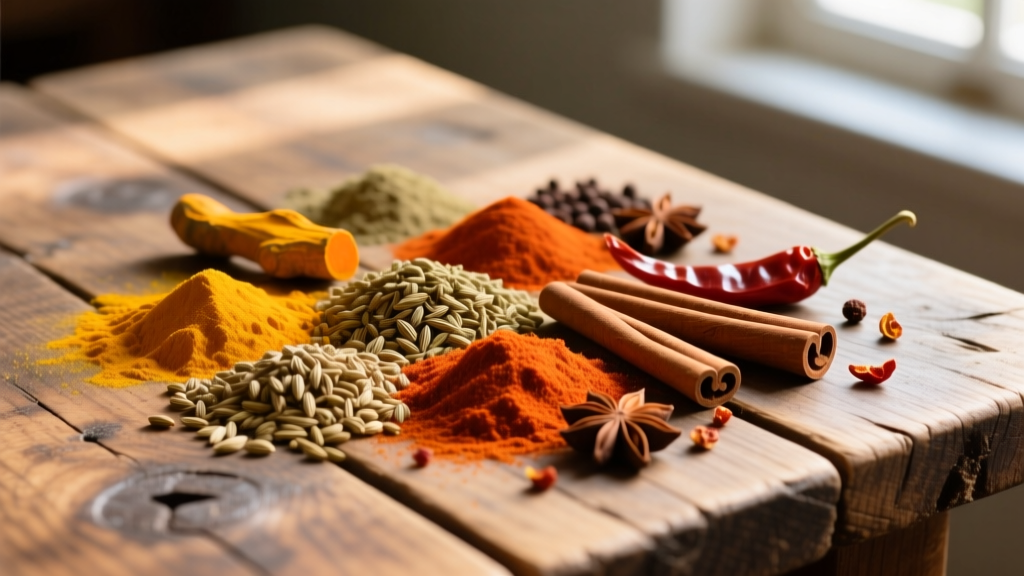
Ras el Hanout: Morocco's Top Shelf
Ras el Hanout: Head of the Shop
Ras el hanout translates to 'head of the shop' in Arabic—it represents the finest blend a spice merchant has to offer. There's no single recipe; each Moroccan souk vendor guards their own secret mix of 20-40 ingredients.
Common Ingredients
Cardamom, cumin, clove, cinnamon, nutmeg, mace, allspice, dry ginger, chili pepper, coriander seed, peppercorn, sweet and hot paprika, fenugreek, and dry turmeric. Some traditional recipes include unusual additions like rosebuds, lavender, or Spanish fly (now banned).
Cultural Significance
Historically, ras el hanout was associated with aphrodisiac properties and was prescribed by traditional healers. The most prized blends were kept as family secrets, passed from father to son.
How to Use
It's the key seasoning for tagines (slow-cooked stews), couscous, and pastilla (savory pie). Use 1-2 tablespoons per pound of meat. Bloom in oil or butter before adding other ingredients to release the full aromatic potential.
More Articles
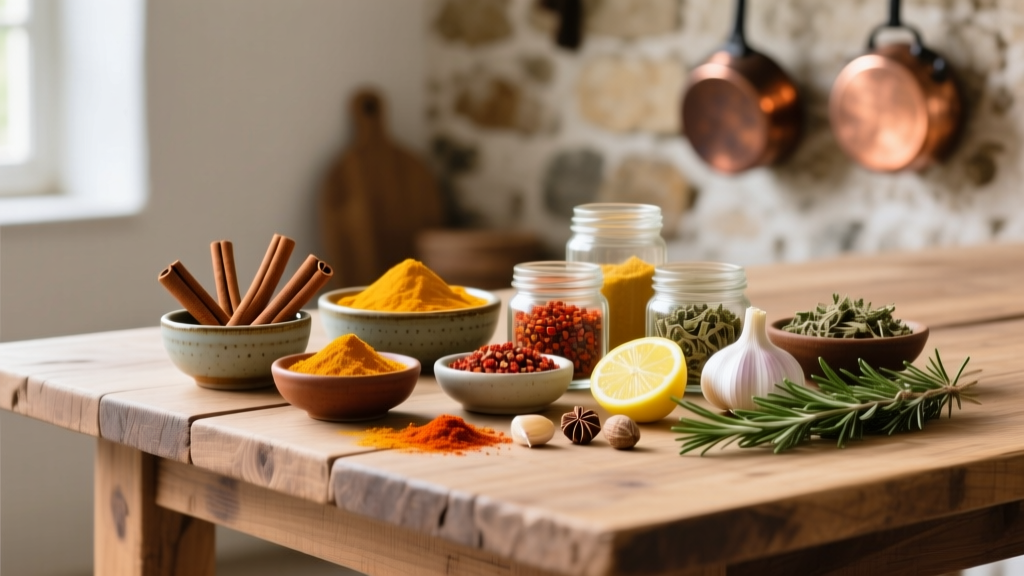 Ethiopian Berbere: The Soul of Wot Stews
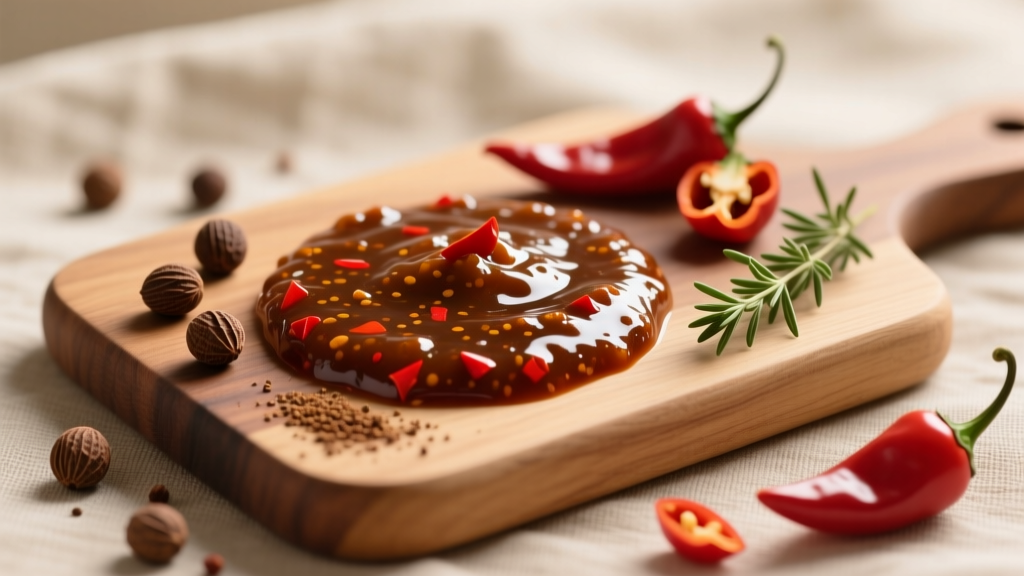 Jerk Spice: Jamaica's Allspice Marinade
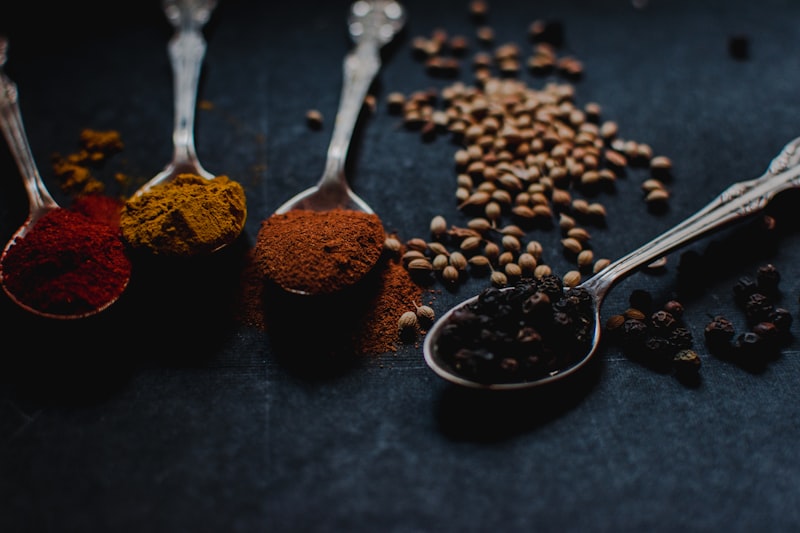 Za'atar Across the Middle East: One Name, Dozen Recipes
 Whole Spices vs Essential Oils Explained
Garam Masala: 5 Regional Indian Variations
 Recado Rojo: Yucatan's Achiote Paste
 Vadouvan: The French-Indian Curry Blend You Need to Try
 Japanese Seven Spice: Shichimi Togarashi Guide
Harissa: North Africa's Icon Chili Paste
 Mexican Mole Sauce: The 20+ Spices Behind This Complex Dish