Ethiopian Berbere: History, Recipe & Uses
What Is Berbere?
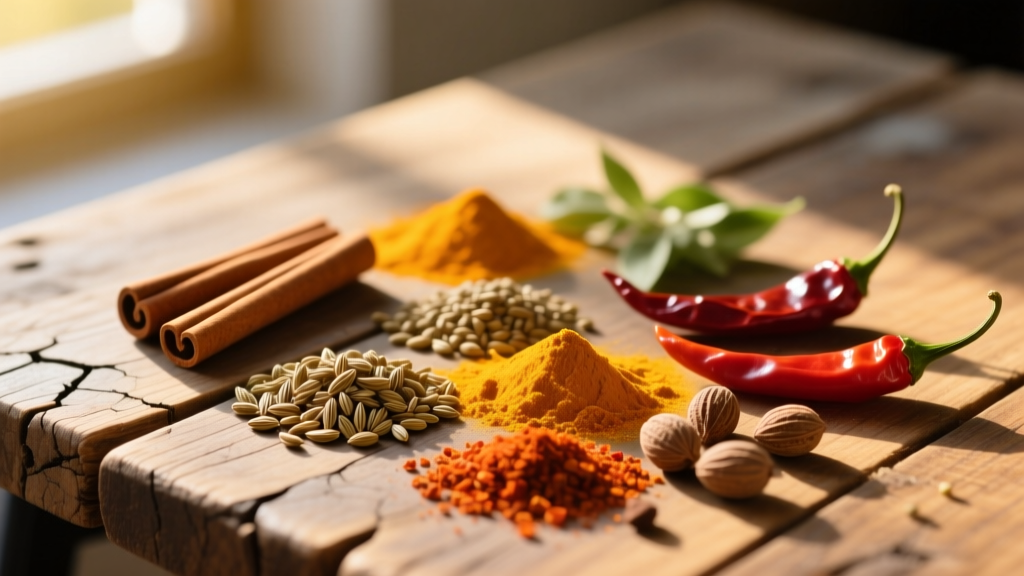
Berbere is Ethiopia's signature spice blend - a complex, fiery mixture of up to 20 ingredients that forms the flavor foundation of nearly every Ethiopian dish. Its name comes from the Amharic word for "hot," and it delivers both heat and extraordinary depth.
Key Ingredients
While recipes vary by family and region, authentic berbere always includes:
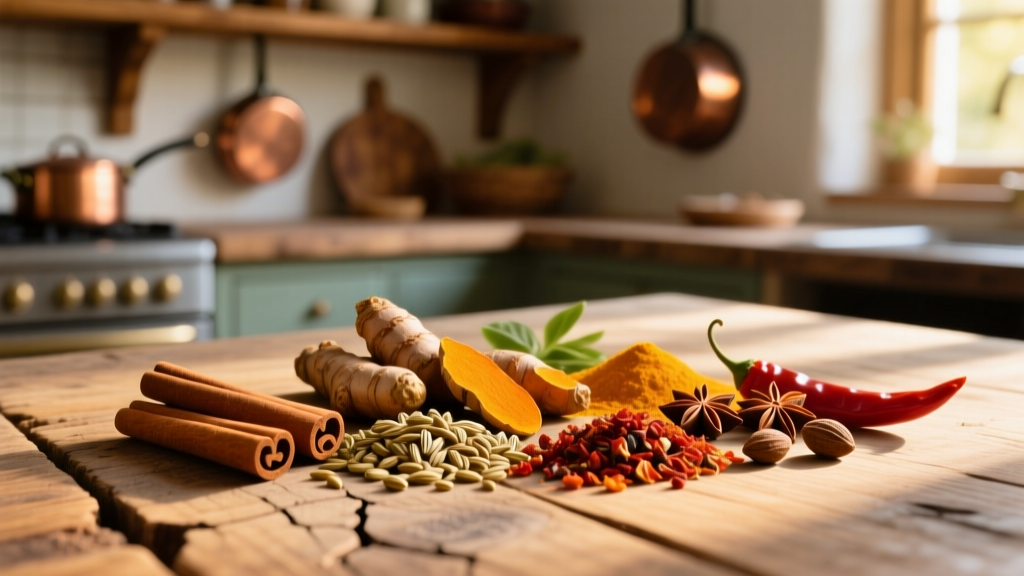
- Dried red chilies (the base - traditionally Ethiopian mareko chilies)
- Fenugreek (adds maple-like sweetness and body)
- Coriander seed (citrusy, floral notes)
- Cardamom (warm, camphorous)
- Cloves (intense, sweet warmth)
- Cinnamon (sweet backbone)
- Allspice (bridges sweet and savory)
- Black pepper (sharp heat)
- Ginger (warm, slightly sweet)
- Turmeric (golden color, earthy flavor)
- Nigella seeds (onion-like, slightly bitter)
Making Berbere at Home
Step 1: Toast Whole Spices
Dry-roast each spice separately in a heavy skillet over medium heat until fragrant (30-60 seconds each). Chilies need longer - toast until pliable and darkened. Let everything cool completely.
Step 2: Grind
Grind in a spice grinder or mortar and pestle. For authentic texture, berbere should be fine but not powdery - slightly coarse, like fine sand.
Step 3: Blend and Rest
Mix all ground spices together. For best flavor, let the blend rest in an airtight jar for 24-48 hours before using. This allows the flavors to meld and mellow.
How Berbere Is Used
Doro Wat (Chicken Stew)
The national dish of Ethiopia. Chicken is slow-cooked in a berbere-infused onion and butter base (niter kibbeh) for 2+ hours. The result is a deeply spiced, ruby-red stew served with injera flatbread.
Misir Wat (Red Lentil Stew)
Red lentils simmered with berbere, onions, and garlic. A staple during Ethiopian Orthodox fasting periods when no animal products are consumed.
Kitfo (Ethiopian Steak Tartare)
Raw minced beef seasoned with berbere and niter kibbeh. A delicacy served with injera and ayib (Ethiopian cheese).
Cultural Significance
In Ethiopian households, making berbere is a communal event - often an all-day affair involving the entire family. The recipe is passed from mother to daughter, with each family guarding their specific proportions as a treasured secret.
Storage
Homemade berbere keeps for 3-4 months in an airtight container in a cool, dark place. For longer storage, refrigerate (up to 6 months) or freeze (up to 1 year). The volatile oils in freshly ground berbere degrade faster than pre-ground commercial versions, but the flavor payoff is incomparable.
More Articles
 The Science of Spice Storage: Preserving Flavor, Aroma, and Potency Through Evidence-Based Methods
 Masala Dabba: The Indian Spice Box Explained
 Berbere Spice: Ethiopia's Fiery Blend
 How To Clean Uses: A Practical Guide to Proper Spice Storage, Handling, and Hygiene for Home Cooks and Professional Kitchens
 Mexican Mole Sauce: The 20+ Spices Behind This Complex Dish
 The French Pantry & Technique Checklist: What Every Home Cook Needs to Know
 Baharat Spice Blend: The Middle East's All-Purpose Seasoning Guide
 Hunan vs Szechuan vs Kung Pao: Heat & Authentic Recipes
 Mistakes and Practical Alternatives to 'Actually' in Spice Blending, Sourcing, and Cooking
 Foolproof Buying Guide: How to Choose, Store, and Verify Authentic Spices Like a Global Spice Traditions Expert