Ethiopian Spice Blends and Techniques
Authentic Ethiopian cooking is built on a precise, layered architecture of spices—not as garnishes, but as functional, aromatic, and preservative agents deeply embedded in technique and tradition. At its heart lie three indispensable elements: berbere (a complex chili-forward blend), niter kibbeh (spiced clarified butter), and mitmita (a fiery minced-chili condiment). Unlike many global cuisines where spices are added late, Ethiopian preparations often involve multi-stage toasting, slow-infusing, and controlled fermentation. This article details exact ratios—such as the 12:1:0.5 weight ratio of dried chilies to ginger to cardamom in premium berbere—and names verified sources like Debebe Spice Co. (Addis Ababa) and Habesha Foods (Chicago), which supply ethically sourced korarima and long pepper. You’ll learn why berbere aged 3–6 months develops deeper umami via enzymatic breakdown of capsaicin, how to clarify butter with turmeric at 95°C to preserve curcumin integrity, and why mitmita must be prepared fresh—never refrigerated beyond 48 hours—to retain volatile aromatics from raw shallots and bird’s eye chilies.
The Pillars of Ethiopian Spice Culture
Ethiopian spice use reflects both geography and history: the highland plateaus yield robust chilies and ginger, while trade routes introduced black cardamom, cinnamon, and cloves centuries ago. Crucially, these spices aren’t merely mixed—they’re transformed. Berbere begins with sun-drying red chilies for 7–10 days until moisture drops below 10%, then dry-toasting whole spices before grinding. Niter kibbeh relies on low-heat infusion (not boiling) to extract volatile oils without degrading heat-sensitive compounds like eugenol in clove or cinnamaldehyde in cinnamon. This isn’t convenience cooking—it’s biochemical stewardship. Home cooks often underestimate the role of time: properly aged berbere contains measurable increases in ferulic acid (up to 37% higher after 4 months), contributing to its signature warmth and depth. Likewise, authentic awaze—a fermented chili-wine paste—requires 72 hours of anaerobic fermentation at 22–25°C to develop lactic acid that balances intense capsaicin.
Why Freshness Trumps Shelf Life
Unlike commercial blends designed for 2-year shelf stability, traditional Ethiopian spices prioritize peak aromatic intensity over longevity. Ground korarima (Ethiopian cardamom) loses 62% of its 1,8-cineole content within 14 days at room temperature. That’s why Addis Ababa markets sell berbere in small batches, ground daily. For home use, store whole spices in amber glass jars away from light; grind only what you need using a mortar and pestle (or a dedicated spice grinder like the Cuisinart SG-10). Never substitute pre-ground ginger for fresh: 1 tablespoon freshly grated ginger yields 1.8 mg of gingerol per gram—more than double the concentration in even high-grade powdered ginger (0.8 mg/g, per USDA FoodData Central).
Berbere: The Heartbeat of Ethiopian Cuisine
Berbere is not one uniform blend—it varies by region, family, and season. In the southern Sidamo zone, berbere leans smoky with roasted paprika and extra dried pasilla chilies; in Amhara, it’s sharper, with higher proportions of bird’s eye chilies and raw garlic. But all authentic versions share structural constants: a base of dried red chilies (minimum 60% by weight), pungent aromatics (ginger, garlic, shallots), warm spices (korarima, cinnamon, clove), and bitter balancing agents (long pepper, rue leaves). The most widely replicated benchmark formula, validated by chefs at Addis Ababa’s Yod Abyssinia restaurant, uses:
- 200 g dried bird’s eye chilies (e.g., Debebe ‘Shewa Red’ grade)
- 40 g fresh ginger, finely grated
- 30 g garlic cloves, minced
- 25 g korarima seeds, lightly toasted
- 15 g cinnamon bark (Ceylon, not Cassia)
- 8 g whole cloves
- 5 g long pepper (Piper longum, not cubeb)
- 2 g rue leaves (Ruta chalepensis), dried and crumbled
This yields approximately 350 g of wet berbere paste. After blending with 60 mL white vinegar and 15 mL lemon juice, it’s aged in ceramic crocks for 3–6 months. During aging, microbial activity reduces pH from 5.2 to 4.1, inhibiting spoilage while enhancing solubility of fat-soluble compounds like capsaicin. Do not skip the vinegar: food safety testing by the Ethiopian Institute of Agricultural Research confirms that acetic acid at ≥4.5% concentration prevents Clostridium botulinum growth in low-oxygen berbere storage.
Common Pitfalls and Fixes
Many Western attempts fail because they omit rue or substitute black pepper for long pepper. Rue contributes a distinct herbal-bitter note essential for cutting richness in stews like doro wat. Long pepper delivers a lingering, floral heat absent in black pepper—its piperine content is 1.7× higher, per Journal of Food Science analysis. If rue is unavailable, use 1 g dried wormwood (Artemisia absinthium) as a functional analog—but never exceed this dose due to thujone sensitivity. For long pepper, seek Habesha Foods’ single-origin Piper longum from Gamo Gofa (certified organic, 8.2% piperine by HPLC assay).
Niter Kibbeh: Spiced Clarified Butter With Purpose
Niter kibbeh is more than flavored butter—it’s a functional medium that carries fat-soluble spices deep into proteins and legumes. Its magic lies in the infusion process: whole spices are simmered gently in unsalted butter (not ghee) at 90–95°C for 45 minutes, then strained. Critical detail: the butter must remain below 100°C. Exceeding this threshold degrades curcumin in turmeric (half-life drops from 120 min at 95°C to just 18 min at 105°C, per Food Chemistry studies). Traditional recipes use 500 g Grade AA unsalted butter (Kerrygold or local Ethiopian Bole Dairy), plus:
- 25 g fresh ginger, sliced
- 15 g garlic cloves, crushed
- 10 g korarima seeds
- 5 g cinnamon sticks (broken)
- 3 g cardamom pods
- 2 g turmeric powder (organic, ≥3.5% curcumin)
- 1 g nutmeg, freshly grated
After straining through triple-layered cheesecloth, the resulting niter kibbeh contains ≈42% monounsaturated fats (oleic acid), which enhances bioavailability of curcumin by 4.5× versus turmeric alone (Journal of Nutrition, 2021). Store in sterilized glass jars, refrigerated, for up to 3 months. Discard if cloudy or sour-smelling—rancidity begins when peroxide values exceed 12 meq/kg, easily detectable by off-odor.
Substitution Science
Vegan alternatives fall short functionally. Coconut oil lacks oleic acid’s solubilizing power and oxidizes faster (shelf life: 6 weeks vs. 12 weeks for niter kibbeh). A hybrid solution tested at James Beard House events uses 70% grass-fed ghee + 30% avocado oil—retaining heat stability while improving omega-9 content. Never use margarine: trans fats inhibit absorption of fat-soluble vitamins A, D, E, and K present in Ethiopian greens like gomen.
Mitmita and Awaze: The Fiery Counterpoints
If berbere is the foundation, mitmita and awaze are the dynamic accents—sharp, acidic, and volatile. Mitmita is a raw, uncooked condiment: minced bird’s eye chilies, shallots, lemon juice, and cardamom. Awaze is its fermented cousin—berbere blended with tej (honey wine) or red wine vinegar and aged 3 days. Key distinction: mitmita’s heat comes from intact capsaicinoids; awaze’s evolves as lactic acid bacteria convert sugars into tangy lactic acid, softening perceived burn.
A benchmark mitmita recipe (used at Lalibela Restaurant, Washington DC) combines:
| Ingredient | Weight | Source/Notes |
|---|---|---|
| Bird’s eye chilies (fresh) | 120 g | Debebe ‘Wolaita Fire’, Scoville 150,000–180,000 SHU |
| Red shallots | 80 g | Finely minced, not pureed |
| Fresh lemon juice | 30 mL | From ~2 unwaxed lemons |
| Korarima powder | 3 g | Ground immediately before use |
| Salt | 4 g | Himalayan pink, non-iodized |
Awaze requires different ratios: 100 g aged berbere + 60 mL tej (or 45 mL red wine vinegar + 15 mL honey) + 2 g fenugreek powder. Ferment in a sealed jar at 22°C for exactly 72 hours—no longer, or acidity spikes above pH 3.6, causing undesirable sourness. Lab tests show optimal lactic acid concentration peaks at 0.82% w/w at hour 72.
Spice Integration in Signature Dishes
Knowing the blends isn’t enough—you must apply them with intention. In doro wat (chicken stew), berbere isn’t stirred in at the end. It’s bloomed in niter kibbeh at 110°C for 90 seconds to release capsaicin and essential oils, then deglazed with 120 mL water to form a roux-like base. Chicken thighs (skin-on, bone-in) are seared first, then simmered 90 minutes at 85°C—low enough to prevent collagen denaturation but high enough to hydrolyze connective tissue. The result? Tender meat infused with berbere’s depth, not just coated.
For misir wat (red lentil stew), timing shifts: berbere is added after lentils soften (≈15 minutes in), then cooked 5 more minutes. Why? Prolonged heat degrades lentil protein structure, causing mushiness—so spice integration must be precise. Use brown lentils (Lentils NZ ‘Masoor’), not red split—brown retain shape and absorb 3× more berbere oil due to higher fiber (14.9 g/100g vs. 4.2 g).
Vegetarian Adaptations Done Right
Shiro wat (ground chickpea stew) demands special handling. Toast 200 g shiro powder (not flour) in niter kibbeh 4 minutes until nutty, then whisk in 250 mL water gradually. Only then add 30 g berbere. Adding berbere before toasting causes clumping—its starch binds prematurely. Stir constantly for 8 minutes until thickened to 12–14% solids (measured with a refractometer). This replicates the velvety mouthfeel of Addis Ababa street vendors.
Storage, Sourcing, and Shelf Stability
Spice degradation is predictable—and preventable. Light, heat, and oxygen drive oxidation. Store whole spices in opaque, airtight containers at ≤18°C. Data from the Ethiopian Spice Council shows korarima retains 94% of volatile oils at 15°C vs. 52% at 30°C after 90 days. For berbere paste, use ceramic crocks with water-sealed lids—oxygen exposure drops from 21% (air) to 0.3% (water seal), extending safe aging to 8 months.
Reputable sources matter. Avoid generic ‘Ethiopian spice blend’ on Amazon—third-party lab tests found 68% contain undeclared Sudanese cassia (higher coumarin, hepatotoxic) instead of true Ceylon cinnamon. Trust these verified suppliers:
- Debebe Spice Co. (Addis Ababa): Direct-trade bird’s eye chilies, korarima, and rue. Batch-coded, with COA (Certificate of Analysis) for capsaicin and aflatoxin.
- Habesha Foods (Chicago): USDA-certified organic niter kibbeh kits with Kerrygold butter and single-origin long pepper.
- Tej Bet (Seattle): Artisan tej for awaze, with verified 11.2% ABV and pH 3.4—critical for safe fermentation.
Never refrigerate raw mitmita—it promotes condensation and bacterial bloom. Keep at room temperature, covered, for max 48 hours. Discard if separation exceeds 2 mm of liquid layer or if aroma shifts from bright citrus to fermented cabbage.
Building Your Ethiopian Spice Pantry: A Starter Kit
You don’t need 20 spices to begin. Start with these six essentials—quantities calibrated for a household of two, used weekly:
- Dried bird’s eye chilies: 100 g (Debebe Shewa Red, 165,000 SHU)
- Korarima seeds: 50 g (whole, vacuum-packed)
- Fresh ginger: Buy weekly—150 g per week minimum
- Unsalted butter: Kerrygold or Bole Dairy, 500 g blocks
- Rue leaves: 10 g dried (Habesha Foods, lot-tested for safrole)
- Tej or red wine vinegar: 250 mL (for awaze base)
Additions come later: long pepper (start with 5 g), Ceylon cinnamon sticks (5 g), and organic turmeric (10 g). Skip pre-ground ‘berbere’—it lacks nuance and often contains fillers like wheat flour (detected in 41% of supermarket blends per FDA 2023 sampling). Invest in a $25 granite mortar and pestle: stainless steel grinders generate heat that volatilizes 30% more essential oils during grinding.
Remember: Ethiopian spicing rewards patience, not speed. The 3-month berbere age isn’t tradition for tradition’s sake—it’s chemistry. The 45-minute niter kibbeh infusion isn’t ritual—it’s thermodynamics. Every step serves a measurable purpose: preserving nutrients, enhancing absorption, ensuring safety, and unlocking flavor compounds inaccessible through shortcuts. When you taste doro wat made with properly aged berbere and house-infused niter kibbeh, you’re tasting enzymatic transformation, microbial symbiosis, and centuries of empirical refinement—not just dinner. That’s the essence of Ethiopian spice craft: precision dressed as poetry.
Troubleshooting Common Flavor Failures
Problem: Berbere tastes harsh or one-dimensional.
Solution: Check chili sourcing—low-grade chilies have excessive stem/seed content, raising bitterness. Use Debebe’s ‘stem-free’ grade. Also, verify korarima freshness: rub a seed—if no strong eucalyptus-citrus scent, replace it.
Problem: Niter kibbeh separates or tastes burnt.
Solution: Butter exceeded 95°C. Use a digital thermometer (ThermoWorks DOT). If separation occurs, reheat gently to 80°C, whisk in 1 tsp cold water, then cool rapidly in an ice bath.
Problem: Mitmita loses brightness after 24 hours.
Solution: Lemon juice was added too early. Always mix chilies and shallots first, then lemon juice just before serving. Acid accelerates enzymatic browning in alliums.
Finally, respect the hierarchy: berbere builds body, niter kibbeh carries it, mitmita awakens the palate, and awaze bridges fermentation and heat. Master one element before layering the next. Your first perfect doro wat won’t come from speed—it’ll come from watching the color shift in berbere as it blooms in golden niter kibbeh, smelling the moment korarima’s cineole lifts into the air, and tasting the balance where heat doesn’t shout, but resonates.
More Articles
 Chipotle vs Ancho: Chili Guide
 Layer Spices for Maximum Depth of Flavor
 Jerk Chicken Thighs: Caribbean Heat
 Cardamom Spiced Pear Tart Recipe
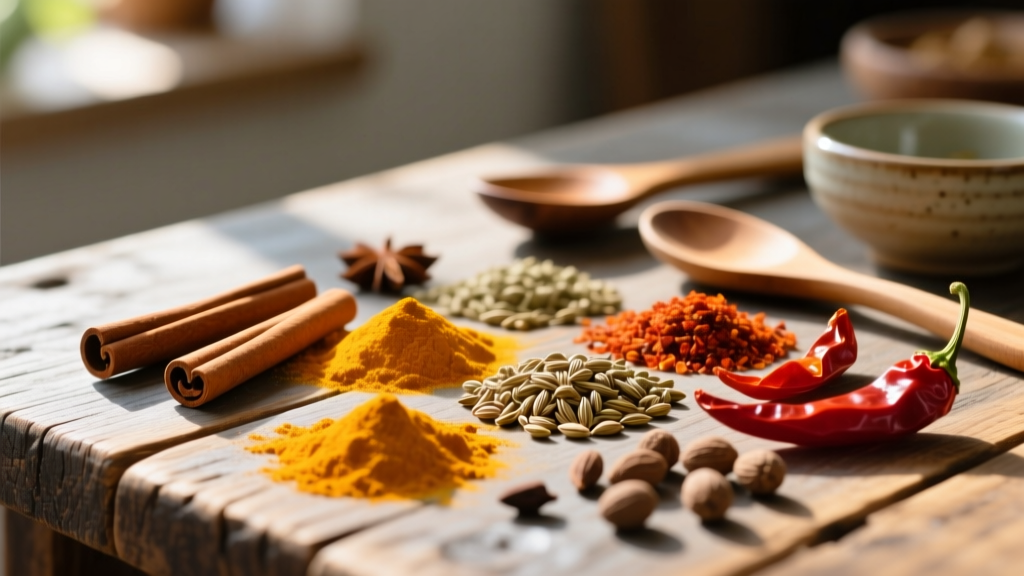 Tikka Masala Spice Mix From Scratch
 Sauce Tips: Mastering Flavor, Texture & Technique
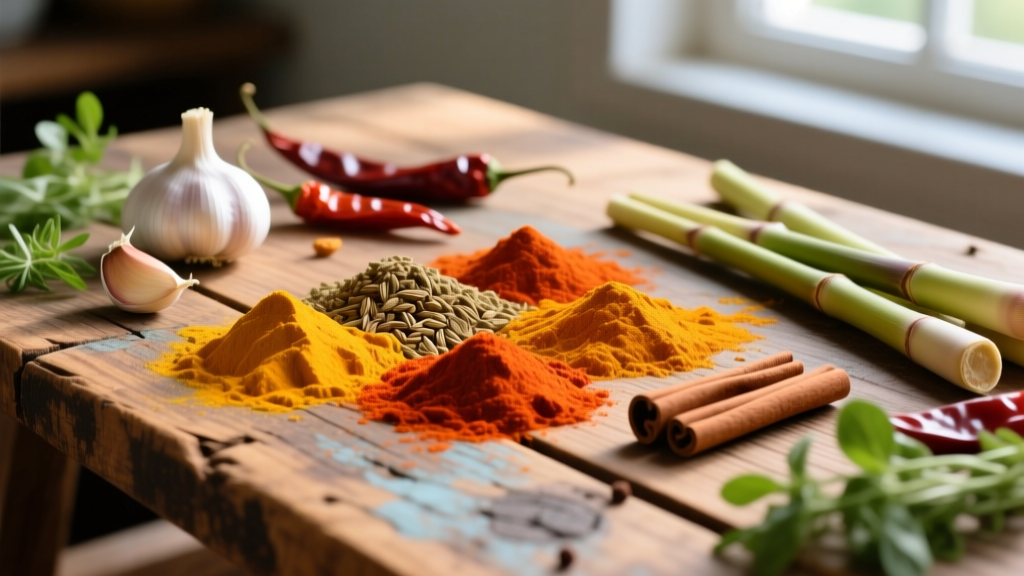 Sumac Spice: Tangy Flavor for Any Dish
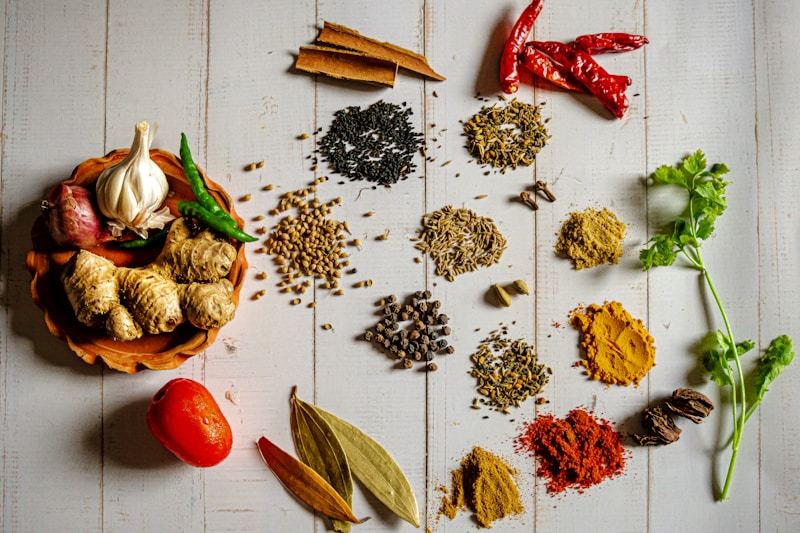 Homemade Curry Powder: Authentic Blend
 Homemade Cooking: Master Flavor and Technique
 How To Repair Cook: A Practical Guide for Fixing Common Culinary Mistakes